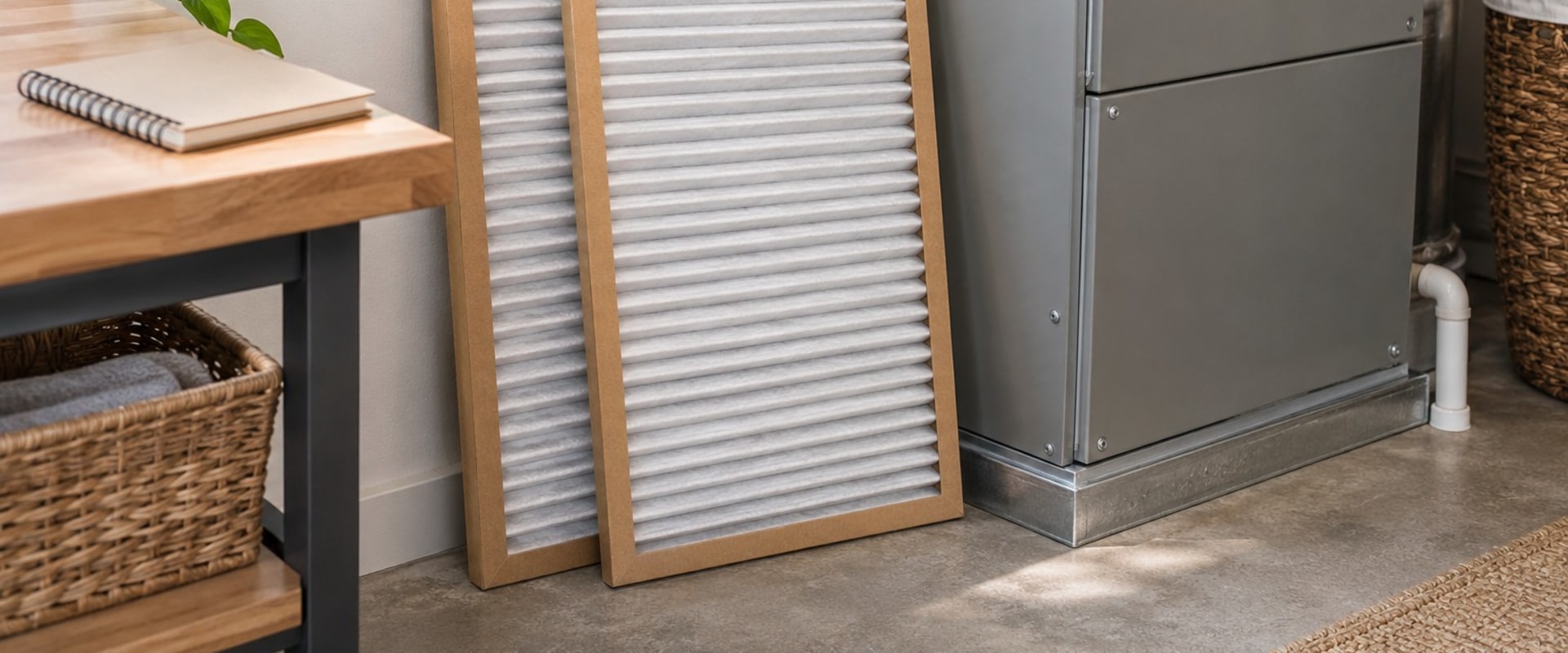
A higher-rated replacement filter can look like a simple upgrade, but the shopping decision should start with the heating and cooling system it will serve. Before ordering a multipack, confirm the required size and the type of filter your equipment can use. Keep those answers with the system’s maintenance records.
Check the equipment before the package
Find the equipment model and its owner information, then record the filter specification already recommended for it. If that information is missing, take the question to an HVAC technician. Bring the existing filter details and explain whether you are replacing like for like or considering a different efficiency rating.
The EPA’s guide to home air cleaners and filters recommends MERV 13, or as high a rating as the system fan and filter slot can accommodate. That compatibility condition matters. A technician can help determine a suitable higher-efficiency option when the answer is unclear.
Confirm the physical fit
Check length, width and thickness against the equipment requirements. EPA advises a snug fit that does not leave air leaking around the filter and does not require bending or crushing it into place. Do not force a replacement that seems almost right. Ask for the correct product specification before buying the rest of your supply.
Create a useful replacement record
Save a photograph of the approved package and write down the installation date. Keep the manufacturer’s replacement guidance with that record rather than relying on a universal calendar rule. EPA notes that filters become dirty at different rates and that a heavily soiled filter may need more frequent replacement.
Use your next service appointment to clarify any uncertainty. Our article on seasonal HVAC tune-ups provides context for making filter questions part of a broader maintenance discussion.
Keep expectations specific
A filter is one part of indoor-air management. EPA explains that filtration supplements source control and ventilation; it does not remove every pollutant. Avoid treating a new filter as proof that an unrelated odor or moisture problem has been resolved.
Finish the decision with a short note: approved filter, equipment served, date fitted and next review. That gives everyone in the household the same reference and makes the next replacement more straightforward.


